
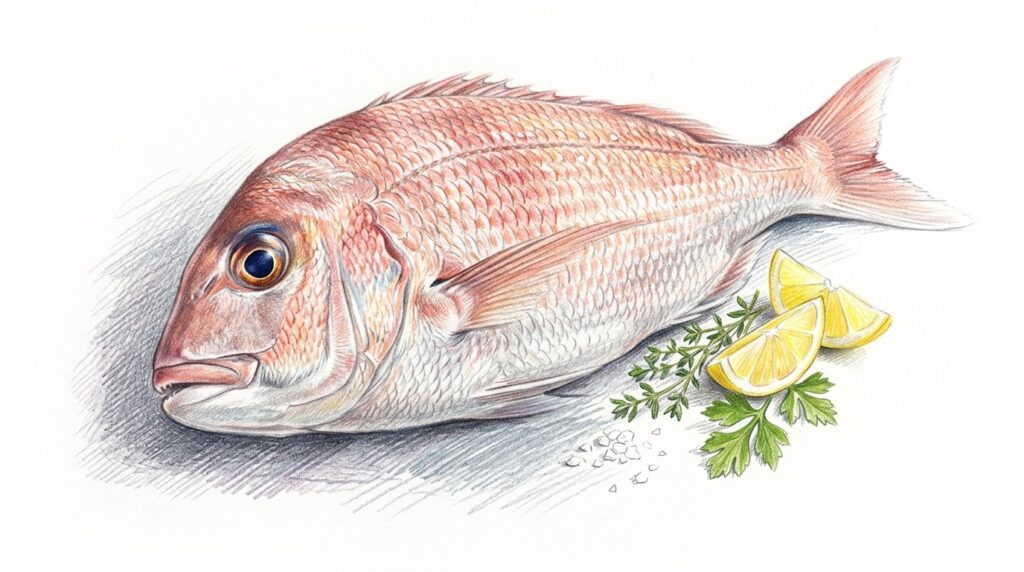
Snapper is probably the most popular fish in New Zealand. It’s on every restaurant menu, at every fishmonger, and in half the freezers in the country.
So if you’re looking into snapper and uric acid, you need to know where it stands. Are the purines in snapper something to worry about?
Good news. Snapper is one of the safer, lowest-purine fish you can eat, and one of the best NZ fish for uric acid management.
It’s a white, non-oily fish with a lean protein profile and lower purine content than most of the seafood that gets flagged as problematic. You don’t need to give it up. You just need to be sensible about how you eat it.
Why Snapper Is Low-Risk
Not all fish affect uric acid the same way. The main factor is purine content, and purines vary dramatically between species.
Oily, dark-fleshed fish like sardines, anchovies, and mackerel are loaded with purines. When your body breaks those purines down, it produces uric acid. Eat enough of them, and your levels climb.
Snapper is different. It’s a white-fleshed fish with relatively low purine content. Your body processes lean white fish efficiently, and it doesn’t significantly contribute to uric acid buildup when eaten in reasonable amounts.
Think of it this way: if sardines are at the top of the risk scale and chicken breast is near the bottom, snapper sits comfortably in the safe zone. Not zero purines, but low enough that it shouldn’t cause problems for the vast majority of people.
How Often Can You Eat Snapper?
Two to three times a week is a reasonable frequency for most people managing uric acid levels. That gives you a solid protein rotation without overloading your system.
The key is balance. If you’re eating snapper three times a week, make sure your other meals aren’t also heavy on purines. Balance it with vegetables, legumes, grains, eggs, and other low-purine proteins.
During a flare-up?
Snapper is still one of the safer options, but during an active uric acid flare-up, it’s smart to keep all protein portions on the smaller side and focus heavily on hydration and anti-inflammatory foods. Your body is under stress. Keep things simple.
Best Ways to Prepare Snapper for Uric Acid Management
How you cook snapper matters almost as much as the fish itself. The goal is to keep it clean and simple.
Keep portions palm-sized.
A serve of about 100-120g is plenty. You don’t need a 250g fillet to get enough protein. Bigger isn’t better when you’re managing uric acid.
Grill or bake it.
These methods keep the fish lean and don’t add unnecessary fat. A hot grill with a little olive oil, salt, and pepper is all snapper needs. It’s a beautiful fish. Don’t overcomplicate it.
Avoid rich, creamy sauces.
That hollandaise or cream-based sauce might taste incredible, but it adds calories and fat without helping your uric acid situation. Stick to lighter options. A squeeze of lemon, fresh herbs, a drizzle of good olive oil. Let the fish do the talking.
Skip the deep fryer.
Battered snapper from the fish and chip shop is a Kiwi tradition, but the batter adds empty calories and the deep-frying changes the nutritional picture. Save it for an occasional treat, not a weekly habit.
Pair Snapper With Alkaline Vegetables
What you eat alongside snapper is just as important as the fish itself. Alkaline vegetables support your body’s ability to manage uric acid, and they make the meal more satisfying.
Great options to pair with snapper:
- Broccoli – Low in purines, high in vitamin C, which may help your kidneys excrete uric acid more efficiently
- Kumara – A New Zealand staple. Roast it, mash it, or cut it into wedges. Low purine and filling
- Spinach – Technically moderate in purines when raw, but the levels are low enough that it’s fine as part of a balanced meal
- Capsicum – Virtually no purines and adds colour and crunch to any plate
- Leafy salad greens – Lettuce, rocket, and watercress are all excellent low-purine sides
For the full breakdown on which vegetables are best, read our guide on vegetables and uric acid.
A simple meal of grilled snapper with roasted kumara, steamed broccoli, and a leafy salad is about as good as it gets. Tasty, filling, and genuinely supportive of healthy uric acid levels.
How Snapper Compares to Other Fish
It helps to see where snapper sits relative to other popular New Zealand fish.
Lower risk than snapper:
- Hoki
- Tarakihi
- Gurnard
These are even leaner and lower in purines. If you want to rotate your fish choices, these are excellent alternatives.
Similar to snapper:
- Blue cod
- John Dory
White-fleshed, moderate-to-low purine content. All good options.
Higher risk than snapper:
- Salmon (moderate, oily fish with higher purine content)
- Tuna (moderate, especially canned varieties)
- Sardines, anchovies, mackerel (high risk, avoid or significantly limit)
For a full comparison of all fish types, check out our complete guide on fish and uric acid.
A Quick Word on Smoked and Processed Snapper
If you come across smoked snapper, be aware that the smoking process can concentrate purines slightly. It’s still a better choice than smoked salmon or sardines, but fresh is always preferable to processed when you’re managing uric acid.
Same goes for fish cakes or processed fish products that use snapper. They often include other ingredients and preservatives that don’t help your situation. Fresh, whole snapper is the best option.
The Bottom Line
Snapper is a genuinely good choice for people managing uric acid levels. It’s lean, it’s low in purines, it’s widely available in New Zealand, and it tastes great prepared simply.
Eat it two to three times a week. Keep portions palm-sized. Grill or bake it with simple seasonings. Pair it with alkaline vegetables and drink plenty of water.
That’s not a restrictive diet. That’s just smart eating.
If you’re looking for extra support alongside a sensible diet, URICAH is formulated with 14 natural ingredients at transparent dosages to help maintain healthy uric acid levels. Over 2,200 customer reviews, a 90-day money-back guarantee, and free overnight shipping across NZ when you order by 3pm on weekdays.
This article is for informational purposes only and is not intended as medical advice. Consult your healthcare provider before making changes to your health routine.

URICAH! Uric Acid Support
4.8 / 5
read 2,447 customer reviews
$39 NZDTHIS IS YOUR URICAH MOMENT
URICAH provides natural support for healthy uric acid levels.
Our 14 potent, natural ingredients support the body’s normal uric acid levels, supporting joint mobility and function.
URICAH!™ features powerful ingredients used over many years to support healthy uric acid levels such as Tart Cherry, Celery Seed and Chanca Piedra.
LEARN MORE