

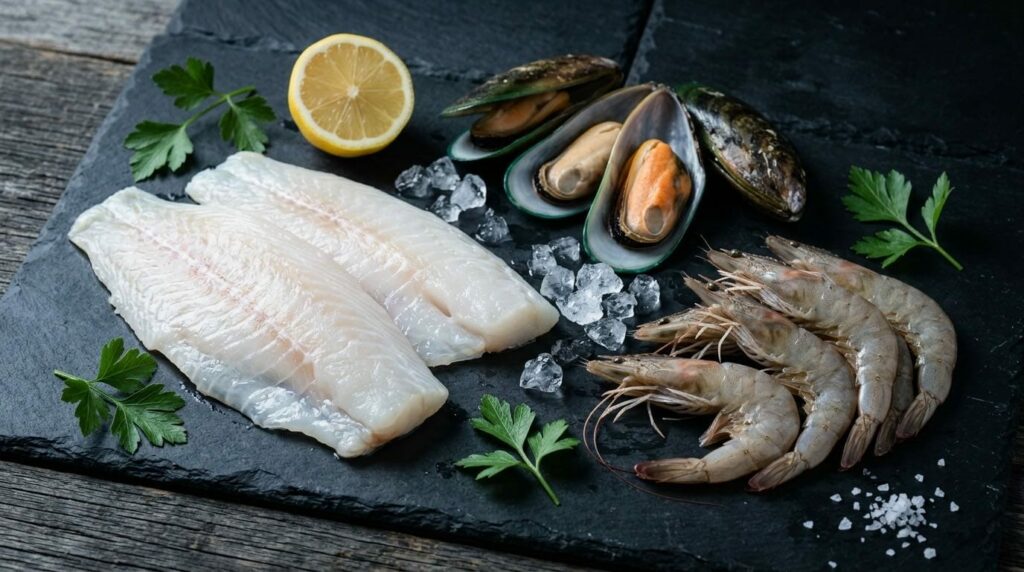
Is seafood bad for uric acid? Living in New Zealand and being told to “avoid seafood” is like being told to avoid sunshine in Hawke’s Bay. It’s everywhere. It’s part of how we eat. And the advice is far too simplistic to be useful.
Here’s the truth: the purines in seafood vary wildly.
Some low purine seafood is perfectly fine. Some needs moderation. And yes, some high purine seafood should genuinely be limited if you’re managing uric acid levels.
The difference between a plate of tarakihi and a bowl of sardines is massive. Let’s break it down so you can still enjoy seafood without worrying.
How Seafood Affects Uric Acid
When your body digests purines, it produces uric acid. That’s the fundamental mechanism. Your kidneys then filter that uric acid out.
Seafood contains varying levels of purines depending on the species. Lean white fish tends to be lower. Oily fish and certain shellfish tend to be higher. The type of seafood you choose matters far more than whether you eat seafood at all.
The people who get into trouble aren’t the ones having grilled tarakihi twice a week. They’re the ones smashing a seafood platter loaded with mussels, smoked salmon, and anchovies every weekend.
Low-Risk Seafood: Your Safe Options
These are the options you can eat regularly without stressing about your uric acid levels.
Tarakihi
White flesh, lean protein, low purine content. One of the best fish choices you can make in New Zealand. Available fresh at most fishmongers and supermarkets.
Snapper
New Zealand’s most popular fish, and it sits comfortably in the low-to-moderate range. A regular-sized portion a couple of times a week is fine for most people. We’ve got a detailed article on snapper and uric acid if you want the full picture.
Gurnard
Affordable, firm, white flesh. Great grilled or pan-fried. Low in purines and widely available.
Hoki
Another solid white fish option. Mild flavour, versatile, and gentle on your uric acid levels.
The pattern is clear: white, lean fish are your friends. They give you quality protein without loading you up with purines.
Moderate-Risk Seafood: Enjoy Occasionally
These aren’t off-limits, but they need a bit of thought. Once a week, sensible portions, and not during a flare-up.
Salmon
Higher in purines than white fish, but the omega-3 fatty acids offer genuine anti-inflammatory benefits. It’s a trade-off worth making occasionally. For the full breakdown, read our article on salmon and uric acid.
Tuna
Whether fresh or canned, tuna sits in the moderate range. A tin a couple of times a week won’t cause drama for most people, but don’t rely on it as your main protein source.
Mussels
A classic Kiwi favourite, especially green-lipped mussels. They’re moderate in purines, which means occasional enjoyment is fine. A dozen mussels at a dinner out? No problem. A kilogram every weekend? That’s pushing it.
High-Risk Seafood: Limit Significantly
These are the ones that genuinely deserve caution. High purine content means they can push your uric acid levels up quickly.
Anchovies
Tiny fish, enormous purine load. Whether on pizza, in dressings, or straight from the tin, anchovies are one of the highest purine foods in the seafood category.
Sardines
Same story. Small, oily, and absolutely packed with purines. If your uric acid is already elevated, sardines should be a rare treat at most.
Scallops
This one catches people off guard. Scallops are considered a premium, lighter seafood, but their purine content is surprisingly high. Save them for special occasions.
Herring
Oily, dark-fleshed, and high in purines. Not common in New Zealand, but worth knowing about if you encounter it.
During an active uric acid flare-up, avoid everything in this category entirely. Your body is already overwhelmed. Give it a chance to recover.
Smart Protein Alternatives
You need protein. That’s not negotiable. But you don’t need to get it all from seafood. Here are alternatives that keep your purine intake low:
- Calamari – Lower in purines than most shellfish, and a good option when grilled rather than deep-fried
- Eggs – Virtually zero purines. Poached, scrambled, in an omelette. Cheap, versatile, reliable
- Tofu – Plant-based, low purine, and takes on whatever flavour you give it
- Tempeh – Fermented soy with a firmer texture. Good protein, minimal purine impact
- Lean chicken – A consistent low-purine protein source
- Legumes – Lentils and chickpeas offer solid protein with moderate purine levels. A few times a week is fine
The goal isn’t to eliminate seafood. It’s to shift your balance toward the safer options and keep the high-purine choices for rare occasions.
How to Enjoy Seafood Smarter
Choose white fish over oily fish most of the time.
This single habit makes the biggest difference. If eight out of ten fish meals are white fish, you’re in good shape.
Control your portions.
A palm-sized serving of fish, roughly 100-120g, is enough. You don’t need a slab the size of your plate.
Watch the preparation.
Grilled, baked, or lightly pan-fried fish is far better than battered and deep-fried. The fish and chip shop classic tastes great, but the batter adds calories without reducing purines.
Pair with the right sides.
Load up on vegetables, especially alkaline options like broccoli, kumara, and leafy greens. For a full guide on which vegetables help, check out our article on vegetables and uric acid.
Drink water with every meal.
Hydration helps your kidneys flush uric acid. It’s simple, free, and genuinely effective.
The Seafood Platter Problem
A word about the classic Kiwi seafood platter. Mussels, oysters, prawns, smoked salmon, maybe some anchovies. Individually, some of those are moderate risk. Together, on one plate, in one sitting? That’s a purine bomb.
If you’re at a gathering or restaurant, be selective. Pick the lower-risk options, enjoy a reasonable amount, drink plenty of water, and skip the high-purine items. You can still participate without going overboard.
The Bottom Line
Seafood isn’t the enemy. Ignorance about which seafood is safe is the enemy.
Stick to white fish most of the time. Enjoy moderate-risk options occasionally. Limit the high-purine shellfish and oily fish. Control your portions and stay hydrated.
That’s a sustainable approach, not a punishment. You can live in New Zealand and still eat seafood. You just need to be smart about it.
For additional support beyond diet, URICAH contains 14 natural ingredients at clearly labelled dosages, designed to help your body maintain healthy uric acid levels. No proprietary blends, no hidden formulas. Over 2,200 customers have reviewed it, and it comes with a 90-day money-back guarantee. Free overnight shipping across NZ when you order by 3pm on weekdays.
This article is for informational purposes only and is not intended as medical advice. Consult your healthcare provider before making changes to your health routine.

URICAH! Uric Acid Support
4.85 / 5
read 2,294 customer reviews
$39 NZDTHIS IS YOUR URICAH MOMENT
URICAH provides natural support for healthy uric acid levels.
Our 14 potent, natural ingredients support the body’s normal uric acid levels, supporting joint mobility and function.
URICAH!™ features powerful ingredients used over many years to support healthy uric acid levels such as Tart Cherry, Celery Seed and Chanca Piedra.
LEARN MORE