

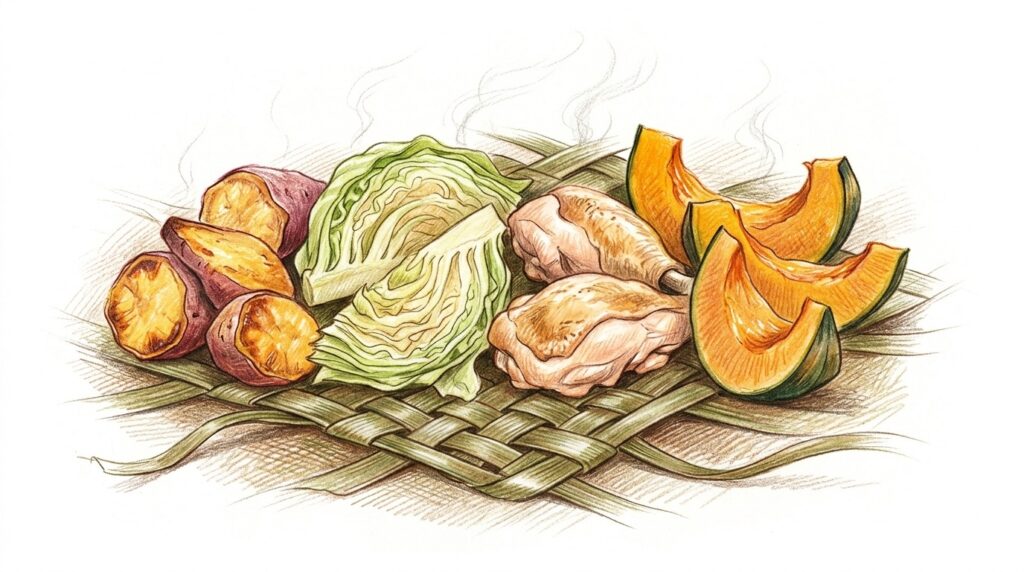
Managing uric acid levels doesn’t mean you have to step away from the table when traditional kai is being served.
Hangi, boil-up, rewena bread; these foods are part of who we are in Aotearoa.
The good news is that most traditional NZ foods contain a mix of ingredients, and plenty of them are absolutely fine for uric acid. You just need to know which parts of the plate to load up on and which to be more careful with.
This isn’t about telling you what you can’t eat. It’s about helping you make smart choices so you can enjoy the food and the occasion without paying for it afterwards.
Hangi: What’s in It and What to Watch
A traditional hangi usually includes pork, chicken, kumara, pumpkin, potato, cabbage, and stuffing. Everything goes into the pit and comes out slow-cooked and tender.
It’s one of the best meals you’ll ever eat.
From a uric acid perspective, here’s how each component stacks up.
The safe stuff (eat plenty)
Kumara
Very low in purines. High in fibre, vitamin A, and potassium. Kumara is one of the best things on the hangi plate for anyone managing uric acid. Load up.
Pumpkin
Also very low in purines. A great source of vitamins and antioxidants. Another one you can eat generously.
Potato
Very low in purines. Potatoes are a safe, filling staple. The slow cooking in the hangi makes them beautifully tender.
Cabbage
Low in purines and high in vitamin C, which research links to lower uric acid levels. Vegetables like cabbage are your best friend at the hangi table.
The moderate stuff (enjoy, but be smart about portions)
Chicken
Skinless chicken has moderate purine content, around 100-150 mg per 100g. It’s one of the best meat options for uric acid.
At a hangi, go for the breast or thigh meat and pull the skin off. A good-sized portion is fine.
Pork
Pork sits in the moderate range for purines. Lean cuts like loin are better than fattier cuts.
At a hangi, the pork is usually a shoulder or leg, which is a bit higher in fat. Enjoy a moderate portion, focus on the leaner pieces, and don’t go back for thirds.
The watch-out
Stuffing
Hangi stuffing recipes vary, but many include pork mince, bread, onion, and herbs. The pork mince adds moderate purines. A small serving alongside your main plate is fine. Just don’t treat it as the main event.
Practical hangi strategy
Build your plate with a generous serve of kumara, pumpkin, potato, and cabbage. Add a moderate portion of chicken or pork. Have a bit of stuffing on the side.
That’s a balanced, uric acid-friendly plate, and you haven’t missed out on anything.
Boil-Up: A Closer Look
A classic boil-up typically includes pork bones, watercress or puha, potato, kumara, and dumplings. Some versions add pork hocks or brisket bones. It’s hearty, comforting, and deeply satisfying.
What’s safe
Watercress and puha
Low in purines and packed with nutrients. Watercress is particularly high in vitamin C and iron. These greens are some of the healthiest things in the pot.
Potato and kumara
Very low in purines. Same as with hangi, these are your safe base.
Dumplings
Made from flour, they’re essentially a bread product. Very low in purines. Enjoy them.
What to watch
Pork bones and broth
This is the tricky part. Pork bones simmered for a long time release fat and some purines into the broth. The meat around the bones is moderate in purines, similar to other pork cuts.
The practical approach: enjoy the vegetables, kumara, potato, and dumplings from the pot. Have some of the pork meat in a moderate portion. Go easier on drinking the broth by itself, especially if it’s been simmered for many hours and the fat layer is thick.
Pork hocks
Higher in fat and connective tissue than lean pork cuts. The meat is fine in moderation, but the fatty, gelatinous portions around the bone are where the purine concentration increases. Keep your serving reasonable.
Practical boil-up strategy
The beauty of boil-up is that it’s naturally loaded with vegetables and starchy carbs, all low-purine.
Focus on those. Take a decent helping of the greens, kumara, potato, and dumplings. Add a moderate amount of pork. Skip the second bowl of straight broth if you’re being careful.
Rewena Bread
Rewena (Maori potato bread) is made with a fermented potato starter. It’s essentially a bread product with potato as a base ingredient.
From a purine perspective, it’s fine. Grains and potato are both very low in purines. Rewena bread is one of those traditional foods you can enjoy without any concern about uric acid.
Spread it with butter or have it alongside your boil-up. No problems.
General Tips for Traditional Gatherings
Don’t skip the event
Managing uric acid is about making smart choices over time, not avoiding every social occasion. One hangi isn’t going to undo months of good habits. Go, eat, enjoy.
Load up on vegetables and root veg first
Kumara, pumpkin, potato, cabbage, watercress. These are your foundation. Fill half your plate with them before you add the meat.
Choose chicken over pork when you can
Both are fine in moderation, but chicken (especially skinless breast) is slightly lower in purines.
Watch the drinks
At gatherings, it’s often not the food that causes the most trouble. Beer and spirits are well-known contributors to high uric acid. If you’re going to drink, keep it modest. Water is always the best choice for uric acid management.
Skip the organ meats
If there’s offal on the table, liver pate as a starter, or anything kidney-based, that’s the one thing worth avoiding completely. Organ meats are in a completely different purine category.
Don’t overthink it
One meal doesn’t define your uric acid levels. Consistent daily habits do. Enjoy the kai, make sensible choices, and get back to your normal routine the next day.
The Bottom Line
Traditional NZ foods are absolutely compatible with managing uric acid levels.
Hangi vegetables like kumara, pumpkin, potato, and cabbage are all very low in purines. The meats are moderate and fine in sensible portions. Boil-up greens and dumplings are safe. Rewena bread is no concern.
You don’t need to sit out or eat differently from everyone else. You just need to know which parts of the plate to favour.
And that’s a skill worth having, not just at a hangi, but at every meal.
For more practical food guidance, check out our low-purine recipes for NZ. And for the full picture on what to eat and avoid, read foods to support healthy uric acid levels.
Looking for daily support? URICAH combines 14 natural ingredients at transparent dosages to help maintain healthy uric acid levels. No proprietary blends. Over 2,200 customer reviews. Free overnight shipping across NZ, and a 90-day money-back guarantee.
This article is for informational purposes only and is not intended as medical advice. Consult your healthcare provider before making changes to your health routine.

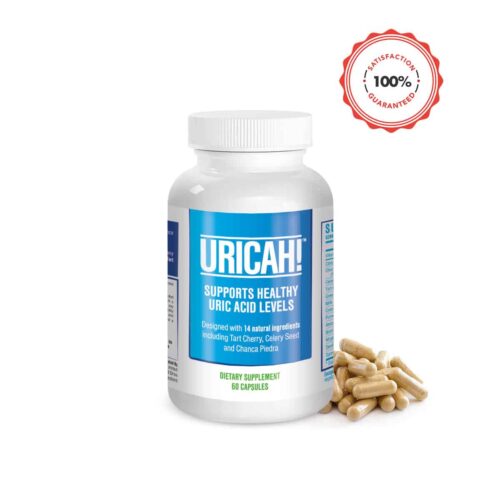
URICAH! Uric Acid Support
4.85 / 5
read 2,294 customer reviews
$39 NZDTHIS IS YOUR URICAH MOMENT
URICAH provides natural support for healthy uric acid levels.
Our 14 potent, natural ingredients support the body’s normal uric acid levels, supporting joint mobility and function.
URICAH!™ features powerful ingredients used over many years to support healthy uric acid levels such as Tart Cherry, Celery Seed and Chanca Piedra.
LEARN MORE