

I’m going to be straight with you.
If you’re dealing with high uric acid levels, beer is the worst thing you can drink.
Most people don’t understand why it’s so much worse than other alcohol.
Here’s what’s actually happening and what you can do about it.
Why Beer Is a Double Hit
Most people know alcohol isn’t great for uric acid.
Beer is in a league of its own, and here’s the reason.
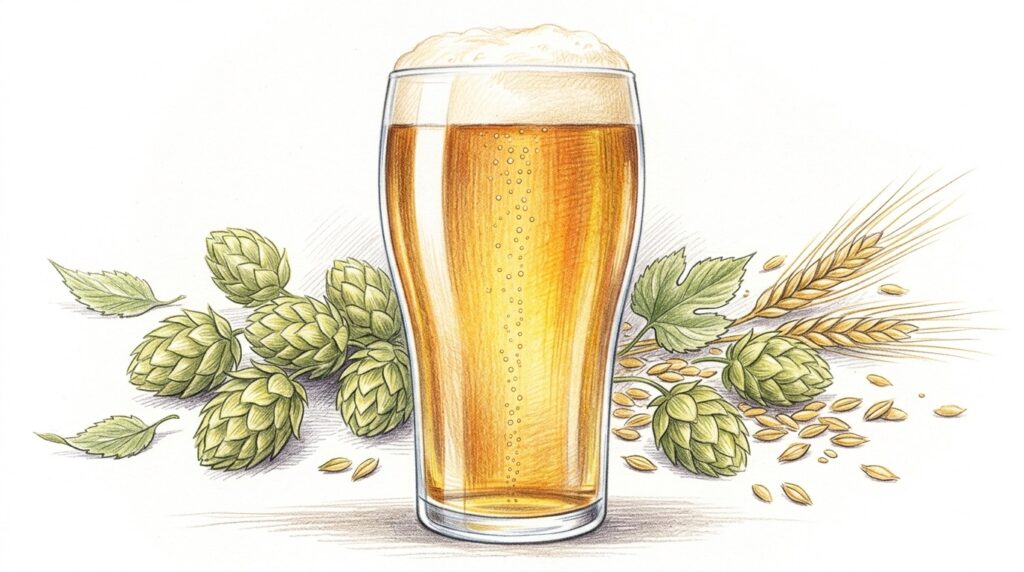
Hit #1: Beer is high in purines.
Unlike wine or spirits, beer contains significant amounts of purines, particularly guanosine. Your body breaks purines down into uric acid. More purines in means more uric acid out.
Hit #2: Alcohol blocks uric acid excretion.
All alcohol impairs your kidneys’ ability to flush uric acid out of your body. It competes for the same excretion pathways. So while your body is busy processing the alcohol, uric acid builds up in your blood.
Beer does both at the same time.
It’s adding uric acid and stopping your body from getting rid of it. That’s why it’s so much worse than other drinks.
How Much Is Too Much?
The research is clear on this:
- Two or more beers per day significantly increases your risk of elevated uric acid and flare-ups. One large study found that men who drank two or more beers daily had more than double the risk compared to non-drinkers.
- Even one beer can make a measurable difference if your levels are already borderline.
- Binge sessions (four or more drinks in one sitting) are particularly problematic. Your kidneys can’t keep up with the sudden load.
The classic Kiwi scenario: Friday night after work, a few beers at the pub, a few more at home over the weekend. Monday morning your foot is on fire.
Sound familiar? That pattern shows up in conversations I have with customers all the time.
How Beer Compares to Other Alcohol
Here’s the hierarchy.
Beer (worst)
High in purines plus blocks excretion. The double hit. Craft beers and ales tend to be higher in purines than light lagers, though all beer is problematic.
Spirits (bad)
No significant purines, but still blocks uric acid excretion. Whisky, vodka, gin, rum all have a similar effect. Mixers matter too; sugary mixers add fructose, which independently raises uric acid.
Wine (least bad)
Research suggests moderate wine consumption has the smallest impact on uric acid levels. Some studies have found no significant increase in risk with moderate wine intake. That doesn’t mean it’s good for you, but it’s the least problematic option.
The bottom line:
If you’re going to drink, wine is your safest bet. No alcohol is better than any alcohol when it comes to uric acid.
You Don’t Have to Quit Entirely (But Be Honest)
I’m not going to tell you to never drink again.
That’s unrealistic for most people, and it’s your life.
You do need to be honest with yourself about how much you’re drinking and when.
Here’s what works for the people I talk to.
Set a weekly limit, not a daily one.
Most people can handle a couple of drinks per week without major problems. It’s the daily habit and the weekend binges that cause issues.
Switch what you drink.
If you normally have three beers on a Friday, try switching to two glasses of wine. You still get to relax and enjoy yourself, but the impact on your uric acid is significantly less.
Hydrate alongside.
For every alcoholic drink, have a glass of water. This helps your kidneys keep flushing uric acid even while processing alcohol. Simple and effective.
Know your trigger threshold.
Pay attention to your body. Some people can handle a beer or two with no problems. Others get a flare-up from a single pint. Track what happens and be honest about the pattern.
Watch the timing.
Alcohol on top of a high-purine meal (steak, shellfish, organ meats) is a compounding effect. A beer with a barbecue lamb chop is a bigger risk than a beer with a chicken salad.
What About Non-Alcoholic Beer?
Good question.
Non-alcoholic beer still contains purines (they come from the brewing process, not the alcohol). It doesn’t have the alcohol component that blocks uric acid excretion.
So it’s better than regular beer, but it’s not purine-free.
If you’re switching to non-alcoholic beer, you’re removing one of the two hits. That’s progress.
The Bottom Line
Beer is the worst alcoholic drink for uric acid. A double hit of added purines and blocked excretion.
You don’t have to go teetotal.
Here’s what you need to do:
- Be honest about how much you’re actually drinking
- Switch to wine if you can (or spirits without sugary mixers)
- Set a weekly limit and stick to it
- Hydrate alongside every drink
- Support your body with diet, lifestyle, and targeted supplementation
That last point matters. If you’re genetically predisposed to high uric acid (and most people dealing with this are), your body needs all the support it can get. A good supplement won’t cancel out a six-pack, but it helps tip the scales when you’re doing everything else right.
Read about natural ways to support healthy uric acid levels
Learn what to look for in a uric acid supplement
This article is for informational purposes only and is not intended as medical advice. Consult your healthcare provider before making changes to your health routine.

URICAH! Uric Acid Support
4.85 / 5
read 2,294 customer reviews
$39 NZDTHIS IS YOUR URICAH MOMENT
URICAH provides natural support for healthy uric acid levels.
Our 14 potent, natural ingredients support the body’s normal uric acid levels, supporting joint mobility and function.
URICAH!™ features powerful ingredients used over many years to support healthy uric acid levels such as Tart Cherry, Celery Seed and Chanca Piedra.
LEARN MORE