

Can you eat steak with high uric acid? You’ve been told to “cut back on red meat,” nodded along, went home, and wondered if steak is off the menu for good.
Good news: it’s not.
You just need to know which cuts are lower in steak purines, how much to eat, and what to pair it with.
Because a trimmed eye fillet and a fatty ribeye with the bone in aren’t the same thing. Not even close.
Why Steak Matters for Uric Acid
All beef contains purines, which your body converts into uric acid during digestion. But purine content varies by cut. Leaner cuts with less marbling tend to be lower in purines. Fattier cuts and anything involving organs are significantly higher.
The way you prepare your steak matters too. A grilled, trimmed sirloin is a different story to a butter-basted, untrimmed scotch fillet drowning in sauce.
Low-Risk Steak Cuts
These are your best options. Lower in purines, leaner, and perfectly suitable for regular enjoyment in moderate portions.
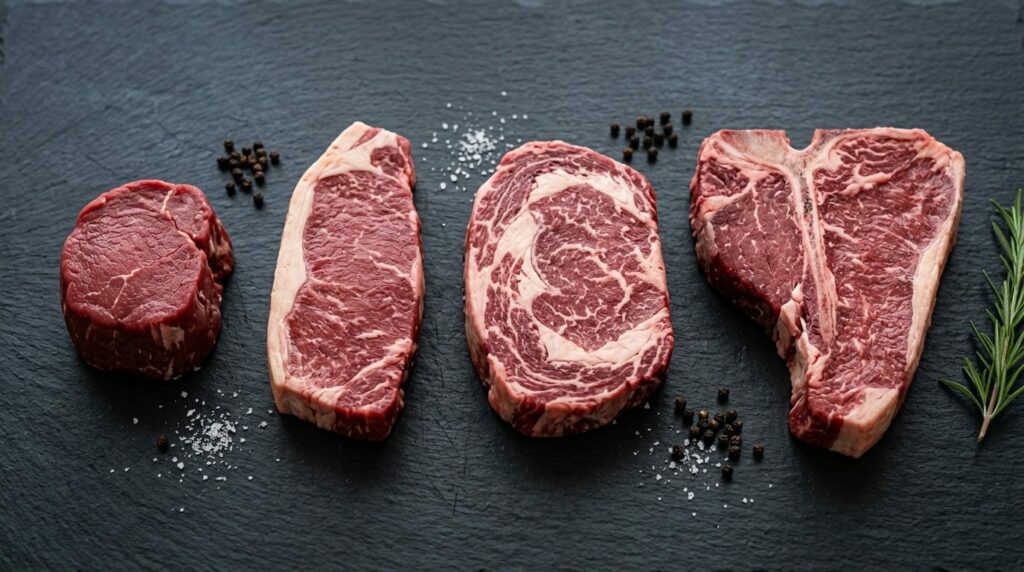
Eye fillet (tenderloin)
The leanest steak cut you’ll find. Tender, low in fat, and moderate in purines. If you’re going to eat steak regularly, this is your best bet.
Trimmed sirloin
Another excellent option. Sirloin has great flavour, and once you trim the fat cap, it’s a lean, manageable cut. A NZ butcher favourite for good reason.
Minute steak
Thin, quick to cook, and typically cut from leaner portions. Good for a fast weeknight meal with salad or stir-fried vegetables.
Trimmed scotch fillet
Scotch fillet has more marbling than sirloin, but if you trim the outer fat, it’s a reasonable option in moderate portions.
The portion rule
Keep every steak serving to about 100g cooked weight. That’s roughly palm-sized. Yes, it’s smaller than what most restaurants serve. That’s the point.
Moderate-Risk Cuts
Fine occasionally, but not your everyday choice.
Ground beef (regular fat)
Standard mince has more fat than lean mince, which means more purines. Use it for the occasional burger or shepherd’s pie, but don’t make it a weekly staple.
T-bone
T-bones are usually large, which makes portion control tricky. If you do have one, share it, or save half for tomorrow.
High-Risk: Avoid or Seriously Limit
Beef liver
Not a steak in the traditional sense, but it ends up on plenty of plates in NZ. Liver is one of the highest-purine foods in existence. If you’re managing uric acid levels, take it off the menu.
Fatty cuts with heavy marbling
A well-marbled ribeye or butter-basted scotch fillet might taste incredible, but the high fat content makes these harder on your system. Save them for rare occasions, not weekly rituals.
Braised short ribs
Long, slow cooking with fat and connective tissue. Delicious, but the combination of fat and purines makes this a poor regular choice.
Better Alternatives for Steak Nights
When you want a break from beef but still want something satisfying on the plate, try these:
- Chicken breast or thigh. Skinless, grilled or pan-seared. Lower in purines than any beef cut.
- Pork loin. A thick pork loin chop on the barbecue is a solid swap. Lean, flavourful, and lower in purines.
- White fish. Tarakihi, snapper, or gurnard. Pan-fried with a squeeze of lemon. Light, clean, and excellent protein with minimal purines.
Rotating between these through the week means you can still have your steak night without overdoing the purines.
How to Make Steak Work for You
Trim the fat
Before cooking, trim any visible fat. This is the single easiest thing you can do to reduce the purine and fat content of your steak.
Choose your cooking method
Grill, barbecue, or pan-sear. Avoid deep frying or cooking in excessive butter or oil. A hot grill and some salt and pepper is all a good steak needs.
Balance the plate
Your steak should take up about a quarter of the plate. The rest? Vegetables. Roasted kumara, a green salad, steamed broccoli, grilled courgettes.
The vegetables aren’t just filler. They provide nutrients that support your body’s ability to process purines.
Stay hydrated
Drink water before, during, and after your meal. Your kidneys need adequate hydration to filter uric acid effectively. Make it a habit.
Limit frequency
1-2 steak meals per week is a reasonable target. On other nights, rotate through chicken, fish, pork, eggs, or plant-based options.
The Bottom Line
Steak isn’t the villain. Poor portion control and bad cut choices are.
Pick lean cuts. Trim the fat. Keep portions honest. Balance the plate with vegetables. And limit yourself to once or twice a week.
That’s how you enjoy steak without worrying about your uric acid levels.
For a broader look at how different meats compare, check out our guides on beef and uric acid and meat and uric acid.
If you’re looking for extra support alongside a smart diet, URICAH provides 14 natural ingredients at transparent dosages, including tart cherry extract and vitamin C, to help support healthy uric acid levels. No proprietary blends. Over 2,200 reviews. Free overnight shipping across NZ, and a 90-day money-back guarantee.
This article is for informational purposes only and is not intended as medical advice. Consult your healthcare provider before making changes to your health routine.

URICAH! Uric Acid Support
4.85 / 5
read 2,294 customer reviews
$39 NZDTHIS IS YOUR URICAH MOMENT
URICAH provides natural support for healthy uric acid levels.
Our 14 potent, natural ingredients support the body’s normal uric acid levels, supporting joint mobility and function.
URICAH!™ features powerful ingredients used over many years to support healthy uric acid levels such as Tart Cherry, Celery Seed and Chanca Piedra.
LEARN MORE