
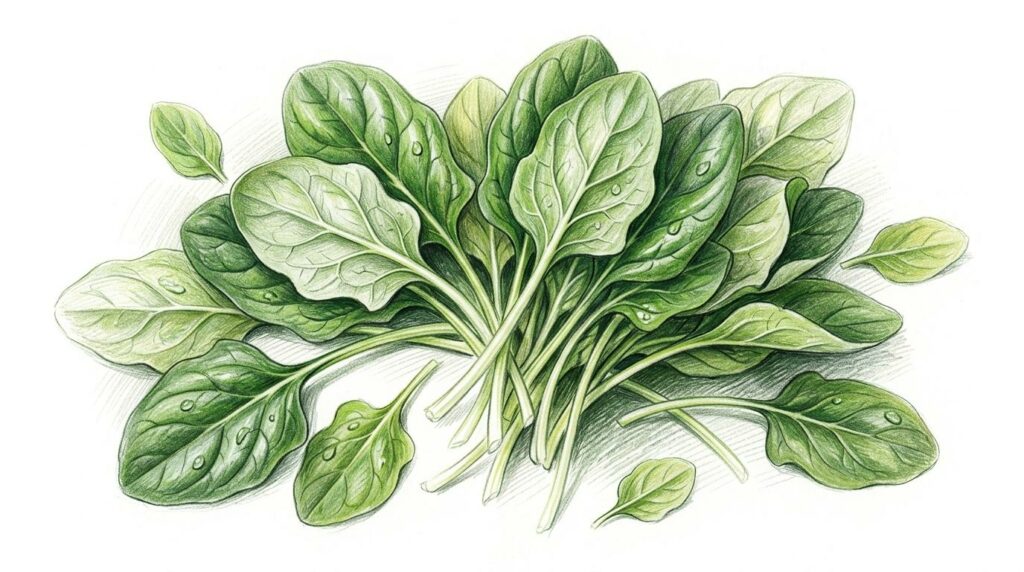
Spinach keeps showing up on “foods to avoid” lists for uric acid. And every time I see it, I shake my head.
The advice is outdated. The research has moved on. It’s time the dietary recommendations caught up.
Here’s the reality: spinach contains purines, but plant-based purines behave very differently in your body than animal-based purines. Multiple large-scale studies have confirmed this. Spinach does not meaningfully raise uric acid levels.
Let me walk you through the evidence.
The Old Advice (And Why It Was Wrong)
For decades, dietary guidelines for managing uric acid lumped all high-purine foods together. Organ meats, anchovies, sardines, and spinach all landed on the same “avoid” list.
The logic seemed sound on the surface. Spinach contains roughly 50-70mg of purines per 100g of raw leaves. That’s moderate by vegetable standards.
But here’s the problem with that logic: it treated all purines as equal.
They’re not.
What the Research Actually Shows
The landmark study that changed the conversation was published in the New England Journal of Medicine. Researchers followed over 47,000 men for 12 years, tracking diet and gout incidence.
The finding
Higher consumption of meat and seafood significantly increased the risk of elevated uric acid and gout. Higher consumption of purine-rich vegetables did not.
That’s not a subtle difference. The vegetable purines showed no statistically significant effect on uric acid levels or gout risk.
A follow-up study published in the BMJ confirmed this. Plant-based purine sources, including spinach, mushrooms, peas, and asparagus, were not associated with increased uric acid levels.
Why plant purines behave differently
The exact mechanism isn’t fully understood, but researchers have identified several likely factors.
Purine type matters
Animal proteins are high in hypoxanthine and adenine, purines that convert efficiently to uric acid. Plant purines are predominantly guanine and adenine in different proportions, and they appear to be metabolised differently.
Fibre and nutrient context
Plants like spinach come packaged with fibre, vitamins, and minerals that may help offset or modulate purine metabolism. You never eat purines in isolation. The whole food matrix matters.
Vitamin C content
Spinach is a good source of vitamin C, which research has shown may help support healthy uric acid levels by promoting excretion through the kidneys. So spinach may actually be helping, not hurting.
What’s Actually in Spinach
Let’s look at what you’re getting when you eat spinach.
Per 100g of raw spinach:
- Purines: 50-70mg (moderate for a vegetable)
- Vitamin C: 28mg
- Folate: 194mcg (nearly half your daily needs)
- Potassium: 558mg
- Magnesium: 79mg
- Iron: 2.7mg
- Fibre: 2.2g
- Calories: 23
That’s an extraordinary nutrient profile. Spinach is one of the most nutrient-dense foods you can eat. Cutting it out because of an outdated purine concern means losing access to all of these benefits.
Spinach and Kidney Health: The Oxalate Question
Now, there is a legitimate concern about spinach that sometimes gets mixed up with the uric acid question.
Spinach is high in oxalates. Oxalates can contribute to calcium oxite kidney stones in susceptible people. But this is a different issue from uric acid.
Uric acid stones and calcium oxalate stones are different types of kidney stones with different causes.
If you have a history of calcium oxalate kidney stones, your doctor may advise moderating oxalate-rich foods like spinach. That’s a valid conversation to have. But it has nothing to do with uric acid levels.
Key distinction:
- High oxalates = relevant to calcium oxalate kidney stones
- Purines = relevant to uric acid levels
- Spinach has moderate purines that don’t raise uric acid + high oxalates that may affect kidney stone risk in susceptible people
Don’t confuse the two.
How Spinach Compares to Other Vegetables
Here’s where spinach sits relative to other vegetables on the purine scale.
| Vegetable | Purines per 100g | Risk to Uric Acid |
|---|---|---|
| Asparagus | 20-25mg | None shown in research |
| Mushrooms | 40-60mg | None shown in research |
| Spinach | 50-70mg | None shown in research |
| Peas | 50-70mg | None shown in research |
| Cauliflower | 40-50mg | None shown in research |
| Broccoli | 20-25mg | None shown in research |
Notice a pattern? None of these vegetables have shown a meaningful association with elevated uric acid in clinical research. The purine numbers look moderate on paper, but they don’t translate to uric acid increases in practice.
This is why I always tell people: eat your vegetables. All of them. The purine content in plant foods is not something you need to worry about.
Raw vs Cooked Spinach
Cooking spinach concentrates it significantly. A large handful of raw spinach cooks down to a couple of tablespoons.
This means cooked spinach has more purines per volume than raw spinach, simply because you’re eating more leaves per serving.
Raw spinach (large salad serving, ~60g): roughly 30-42mg purines
Cooked spinach (1/2 cup, ~90g): roughly 45-63mg purines
Both amounts are well within safe ranges, and again, research shows plant purines don’t raise uric acid levels regardless. But if the numbers still make you nervous, raw spinach in salads gives you a naturally lower purine load per serving.
What to Eat Spinach With
Since spinach is firmly in the “eat freely” category, here are some practical ways to include it.
Spinach salad with chicken
A big bed of raw spinach with grilled chicken breast, cherry tomatoes, red onion, and a simple vinaigrette. High protein, nutrient-dense, and the chicken keeps the animal purine load moderate.
Spinach smoothie
A handful of spinach blended with banana, berries, and yoghurt. You won’t even taste the spinach, but you’ll get the nutrients.
Sauteed spinach as a side
Garlic, olive oil, a squeeze of lemon. Takes two minutes. Pair it with fish or eggs for a complete meal.
Spinach in eggs
Fold baby spinach into scrambled eggs or an omelette. Eggs are very low in purines, so this combination is one of the safest high-protein meals you can make.
Foods That Actually Raise Uric Acid
Since we’re clearing spinach’s name, let’s redirect your attention to the foods that research has actually linked to elevated uric acid.
Confirmed uric acid raisers:
- Organ meats (liver, kidney, sweetbreads)
- Anchovies, sardines, herring
- Mussels and certain shellfish
- Red meat in large quantities
- Fructose-sweetened beverages
- Alcohol (especially beer)
These are the foods that consistently show up in research as genuine risk factors. Spinach is not on this list. Spinach has never been on this list in any properly controlled study.
The Bottom Line
Spinach is not bad for uric acid. Full stop.
The old advice to avoid purine-rich vegetables has been overturned by multiple large-scale studies. Plant purines don’t raise uric acid the way animal purines do.
Spinach is packed with vitamin C, folate, potassium, and magnesium. These nutrients may actually help support healthy uric acid levels.
Eat it in salads. Cook it as a side. Blend it into smoothies. It’s one of the best vegetables you can include in a uric acid management diet.
The only people who should moderate spinach intake are those with a history of calcium oxalate kidney stones, and that’s a separate issue from uric acid entirely.
Stop worrying about spinach. Start worrying about organ meats, excessive red meat, and sugary drinks. That’s where the real risk lives.
This article is for informational purposes only and is not intended as medical advice. Consult your healthcare provider before making changes to your health routine.

URICAH! Uric Acid Support
4.85 / 5
read 2,294 customer reviews
$39 NZDTHIS IS YOUR URICAH MOMENT
URICAH provides natural support for healthy uric acid levels.
Our 14 potent, natural ingredients support the body’s normal uric acid levels, supporting joint mobility and function.
URICAH!™ features powerful ingredients used over many years to support healthy uric acid levels such as Tart Cherry, Celery Seed and Chanca Piedra.
LEARN MORE