
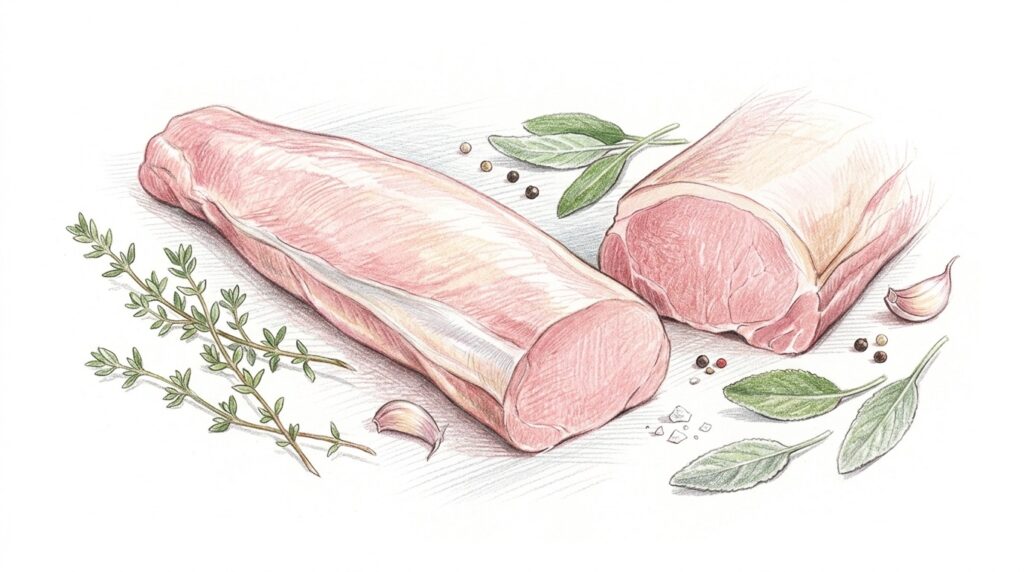
Is pork high in purines? It’s a question that gets overlooked in the uric acid conversation. Everyone talks about red meat and seafood, but the purines in pork vary hugely depending on the cut.
Some cuts are among the leanest, lowest-purine meats you can eat. Others, particularly organ meats and processed products, have a much higher pork purine content.
The difference matters. So let’s sort it out.
How Pork Fits Into the Purine Picture
Like all meat, pork contains purines that your body converts into uric acid during digestion.
But pork isn’t one thing. A lean tenderloin and a fatty sausage are completely different foods from a purine perspective.
The general rule: leaner cuts with less processing are lower in purines. Organ meats and processed pork products are significantly higher. Once you understand that pattern, making good choices gets simple.
Low-Risk Pork Cuts
These are genuinely good protein options. Lower in purines than most beef cuts, and lean enough to eat regularly.
Pork tenderloin
This is one of the best-kept secrets in uric acid-friendly eating. Pork tenderloin is very lean, moderately low in purines, and incredibly versatile. Grill it, roast it, slice it into a stir-fry. It works with almost anything.
Lean pork loin
Similar to tenderloin but a larger cut. Trim any visible fat, and you’ve got a solid, lean protein that works beautifully roasted or grilled. A thick pork loin chop on the barbecue with some roasted vegetables is hard to beat.
How to prepare them
Grill, bake, or roast. Avoid frying or cooking in heavy sauces. Season simply with salt, pepper, and herbs. These cuts don’t need much to taste great, and keeping the preparation clean keeps the meal uric acid-friendly.
Moderate-Risk Pork Cuts
Fine occasionally, but not your everyday go-to.
Pork chops (bone-in)
Bone-in chops tend to carry more fat than loin cuts. They’re fine for an occasional meal, but trim what you can and keep the portion to about 100g.
Roast shoulder (pulled pork)
Shoulder is fattier and takes longer to cook, usually in its own juices. Delicious, absolutely. But the higher fat content means more purines. Save it for the weekend rather than making it a weekly feature.
The key with moderate-risk cuts is frequency. Once a week? No problem. Every other night? That’s where it starts adding up.
High-Risk Pork: Avoid or Seriously Limit
This is the category that actually causes problems.
Pork liver and kidneys
Organ meats are the highest-purine foods you can eat, regardless of the animal. Pork liver and kidneys should be off the menu if you’re managing uric acid levels. There’s no moderate version of this advice.
Bacon
I know. Nobody wants to hear it. Bacon is processed, high in fat, high in sodium, and carries a meaningful purine load. An occasional rasher with your eggs on Saturday morning is one thing. Daily bacon is another.
Sausages
Standard pork sausages are processed, often contain fillers, and are high in fat. They’re a poor regular choice for anyone managing uric acid. If you love a sausage, look for lean, high-meat-content options and keep them occasional.
Processed pork products
Ham, salami, chorizo, pork pies. The processing adds sodium and preservatives, and the fat content is usually high. Limit these across the board.
Lower-Purine Alternatives
When you want to give pork a rest, these deliver good protein with fewer purines:
- Chicken breast. Skinless, grilled or baked. Consistently one of the lowest-purine meat options.
- Turkey breast. Lean and mild. A good swap for pork in sandwiches or salads.
- White fish. Tarakihi, snapper, gurnard. Light, clean protein that’s easy on your uric acid levels.
- Tofu. Low in purines, high in protein, and surprisingly good when prepared properly. Try it marinated and pan-fried.
Rotating between these and your lean pork options through the week keeps your purine intake balanced without getting boring.
Practical Tips
Portion control
Same rule as any meat: palm-sized, roughly 100g cooked. This applies even to the lean cuts.
Trim everything
Cut visible fat before cooking. With pork, the fat is often easy to spot and remove. Do it consistently.
Cooking method
Grill, bake, roast, or stir-fry with minimal oil. Avoid deep frying. A lean pork chop needs a hot pan and a few minutes, not a deep fryer.
Pair with vegetables
Fill half the plate with vegetables. Roasted pumpkin, steamed greens, a fresh salad. The fibre and nutrients support your body’s ability to handle the purines in your meal.
Hydrate
Water with every meal. Your kidneys are doing the work of processing uric acid, so give them what they need.
The Bottom Line
Pork can be one of the smartest protein choices you make, if you choose the right cuts.
Lean tenderloin and loin are excellent. Processed products and organ meats are not.
Pick lean. Trim the fat. Keep portions honest. And don’t make bacon a daily habit.
For more on how different meats compare, read our guide on meat and uric acid. Or check out the broader overview of foods to support healthy uric acid levels.
If you want to support your body beyond diet, URICAH brings together 14 natural ingredients at transparent dosages to help maintain healthy uric acid levels. No proprietary blends, over 2,200 customer reviews, free overnight NZ shipping, and a 90-day money-back guarantee.
This article is for informational purposes only and is not intended as medical advice. Consult your healthcare provider before making changes to your health routine.

URICAH! Uric Acid Support
4.85 / 5
read 2,294 customer reviews
$39 NZDTHIS IS YOUR URICAH MOMENT
URICAH provides natural support for healthy uric acid levels.
Our 14 potent, natural ingredients support the body’s normal uric acid levels, supporting joint mobility and function.
URICAH!™ features powerful ingredients used over many years to support healthy uric acid levels such as Tart Cherry, Celery Seed and Chanca Piedra.
LEARN MORE