

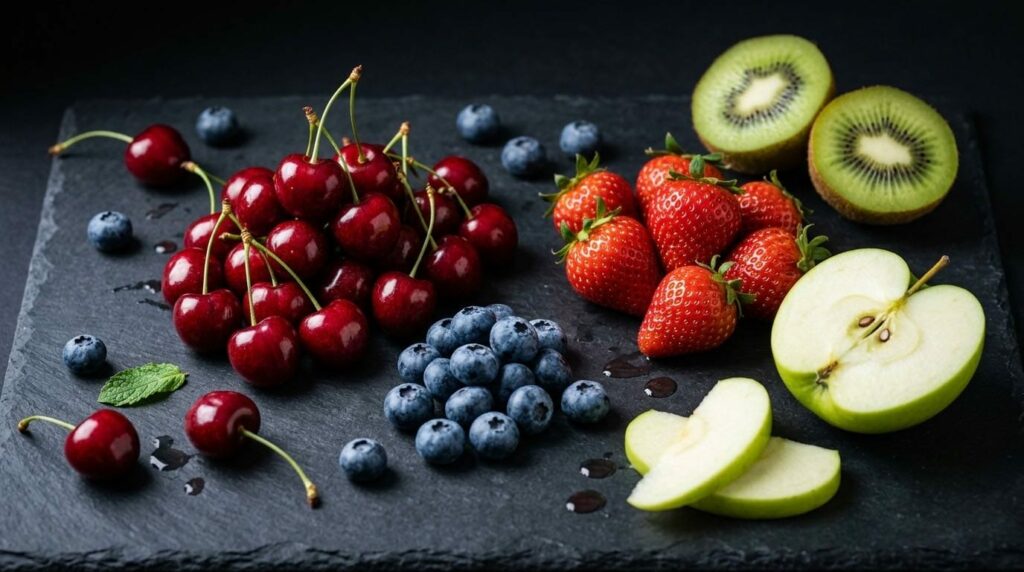
What are the best fruits for uric acid? Fruit seems like it should be a no-brainer. It’s natural, it’s healthy, eat more of it.
And for uric acid management, that’s mostly true. Fruits are generally low in purines, high in fibre, packed with antioxidants, and hydrating. Some fruits that lower uric acid, like cherries, have solid research behind them.
But there’s a catch most people don’t know about: fructose.
Fructose is the natural sugar in fruit, and your body processes it differently from other sugars. When your liver metabolises fructose, it increases uric acid production. Not from purines, but from the metabolic pathway itself.
That doesn’t mean fruit is bad. It means some fruits are better choices than others, and eating fruit the right way matters more than most people realise.
Why Fruit Is Generally Good for Uric Acid
Let’s start with the positives, because there are plenty.
Low purine content.
Unlike meat, seafood, and organ meats, fruits contain very little in the way of purines. You’re not adding a significant purine load when you eat fruit.
High water content.
Most fruits are 80-90% water. That hydration helps your kidneys flush uric acid more efficiently. Staying hydrated is one of the simplest and most effective things you can do.
Rich in antioxidants.
Antioxidants help combat the oxidative stress and inflammation that come with elevated uric acid. Berries and cherries are particularly strong here.
Good fibre content.
Fibre supports healthy digestion and helps regulate blood sugar, which indirectly supports uric acid management. Whole fruit gives you fibre that juice strips away.
Vitamin C.
Several fruits are excellent sources of vitamin C, which research suggests may help your kidneys excrete uric acid more effectively.
So yes, fruit belongs in your diet. The question is which fruits, how much, and in what form.
Low-Risk Fruits: Eat These Freely
These fruits are your best options. Low in fructose relative to their other benefits, and actively supportive of healthy uric acid levels.
Cherries (especially tart cherries)
If there’s one fruit that stands out for uric acid management, it’s cherries. Tart cherries in particular have been studied extensively. They contain anthocyanins, which are potent antioxidants that may help reduce uric acid levels and support your body’s inflammatory response. Fresh, frozen, or as unsweetened tart cherry juice concentrate, they’re all good options.
Berries
Strawberries, blueberries, raspberries, and boysenberries are all excellent. Low in fructose, high in antioxidants, and easy to incorporate into your daily routine. Throw a handful on your morning porridge or eat them as a snack.
Apples
A solid all-rounder. Moderate fructose, good fibre (especially with the skin on), and widely available year-round in New Zealand. One apple a day is a fine habit.
Pears
Similar profile to apples. Good fibre, reasonable fructose levels, and gentle on your system. Nashi pears are particularly good if you can find them.
Kiwifruit
A New Zealand staple, and a genuinely excellent choice. High in vitamin C, decent fibre, and lower in fructose than many tropical fruits. Two kiwifruit a day gives you more vitamin C than most people realise.
Moderate-Risk Fruits: Enjoy in Reasonable Amounts
These fruits are fine in normal portions but have slightly higher fructose content. No need to avoid them, just don’t go overboard.
Oranges
Good vitamin C, moderate fructose. One orange is fine. Drinking a litre of orange juice is a different story (more on juice below).
Peaches and nectarines
Seasonal favourites in New Zealand summer. Enjoy them fresh when they’re in season, but keep it to one or two at a time.
Plums
Moderate fructose. A couple of plums as a snack is perfectly reasonable. Central Otago plums in season are hard to resist, and you don’t need to.
Higher-Risk Fruits: Watch the Fructose
These fruits aren’t dangerous, but they’re higher in fructose, which means they can contribute to uric acid production if you eat too much.
Grapes
Easy to overeat because they’re small and snackable. A small bunch is fine. Sitting down with a whole bag and polishing them off in front of the TV? That’s a lot of fructose in one hit.
Mangoes
Delicious but high in fructose. Half a mango is a reasonable serving. A whole large mango is pushing the sugar intake up unnecessarily.
Watermelon
Seems innocent because it’s mostly water, but it’s surprisingly high in fructose per serve because people tend to eat large portions. A couple of slices, not half the melon.
Pineapple
Tropical, sweet, and higher in fructose than most temperate fruits. Enjoy it in moderation. Fresh is better than canned in syrup.
The pattern here is straightforward: the sweeter the fruit and the larger the portion, the more fructose you’re consuming. Keep portions sensible and you’ll be fine.
Whole Fruit vs Juice: This Matters
Here’s where people get tripped up.
A glass of orange juice seems healthy. But it takes three to four oranges to make one glass, and you’ve stripped out all the fibre.
The result? A concentrated hit of fructose that your liver processes all at once. That spikes uric acid production far more than eating a single whole orange, which comes with fibre that slows sugar absorption.
The rule is simple: choose fresh, whole fruit over juice every time.
If you want a fruit drink, try blending whole fruit into a smoothie (fibre included) rather than juicing. Or dilute a small amount of unsweetened tart cherry juice concentrate with water. That’s a completely different proposition from a 500ml bottle of commercial fruit juice.
Dried fruit is similar. It’s concentrated sugar without the water content. A small handful of dried cranberries is fine. A large bag of dried mango is a fructose overload.
How to Include Fruit in Your Daily Routine
Breakfast.
Berries on porridge. Sliced kiwifruit with yoghurt. Half a banana in a smoothie with spinach. Simple, quick, supportive.
Snacks.
An apple with a handful of nuts. A few strawberries. A small bunch of grapes. These are easy wins that keep you satisfied between meals.
After dinner.
Fresh fruit instead of processed desserts. A bowl of berries with a dollop of natural yoghurt is genuinely satisfying and far better for your uric acid than a slice of cake.
Aim for two to three serves of fruit per day. That’s the sweet spot where you get all the benefits without overdoing the fructose.
The Bottom Line
Fruit is your ally when managing uric acid.
Low in purines, hydrating, rich in antioxidants, and packed with nutrients your body needs. The fructose factor means you should choose wisely and favour whole fruit over juice, but it shouldn’t scare you away from eating fruit altogether.
Prioritise cherries and berries. Enjoy apples, pears, and kiwifruit regularly. Be moderate with tropical fruits and grapes. And ditch the fruit juice habit if you have one.
That’s a practical, sustainable approach that supports healthy uric acid levels without making your diet miserable.
For support beyond diet, URICAH contains 14 natural ingredients, including tart cherry extract, at clearly labelled dosages. No proprietary blends, no guesswork. Over 2,200 customer reviews, a 90-day money-back guarantee, and free overnight shipping across NZ when you order by 3pm on weekdays.
This article is for informational purposes only and is not intended as medical advice. Consult your healthcare provider before making changes to your health routine.

URICAH! Uric Acid Support
4.85 / 5
read 2,294 customer reviews
$39 NZDTHIS IS YOUR URICAH MOMENT
URICAH provides natural support for healthy uric acid levels.
Our 14 potent, natural ingredients support the body’s normal uric acid levels, supporting joint mobility and function.
URICAH!™ features powerful ingredients used over many years to support healthy uric acid levels such as Tart Cherry, Celery Seed and Chanca Piedra.
LEARN MORE